

Research peptides for sale are synthetic chains of amino acids marketed primarily to laboratories and scientists, but they’ve increasingly caught the attention of consumers seeking anti-aging treatments, muscle growth, or cognitive enhancement. Here’s what you need to know upfront: in Canada, these compounds occupy a regulatory gray zone. They’re legal to buy and possess for research purposes only, but using them as supplements or performance enhancers is neither approved by Health Canada nor safe without proper medical supervision. Many vendors sell third party tested peptides with claims about purity and potency, yet the legal landscape remains murky and enforcement inconsistent.
The confusion around research peptides mirrors challenges we’ve seen in cannabis culture before full legalization. Consumers often stumble across these products while searching for wellness solutions, attracted by testimonials promising rapid fat loss, injury recovery, or enhanced cognition. The reality is more complicated. While some peptides show genuine promise in clinical settings, the products sold online frequently lack oversight, come with minimal quality guarantees, and carry real health risks when used outside controlled research environments.
This article cuts through the marketing noise to explain what research peptides actually are, why they’re sold with “research use only” disclaimers, and what those disclaimers really mean for your safety and legal standing. You’ll learn how the peptide market operates in 2026, which regulatory bodies oversee these substances, and why the term “research grade” doesn’t guarantee safety for human consumption. More importantly, we’ll explore evidence-based alternatives that deliver similar benefits without the legal ambiguity or health hazards.
Whether you’re considering a purchase or simply curious about the peptide phenomenon, understanding both the science and the regulatory framework empowers you to make informed decisions that align with your wellness goals and respect Canadian law.
What Research Peptides Actually Are

Peptides are short chains of amino acids, the building blocks of proteins, that your body naturally produces to carry out specific biological functions. Think of them as molecular messengers that tell your cells what to do, from regulating hormone levels to supporting tissue repair. Scientists have identified thousands of these compounds, and some have shown promising effects in laboratory settings, which is where the term “research peptides” comes in.
When scientists study peptides in laboratories, they order pure compounds specifically manufactured for controlled experiments. These substances undergo rigorous testing in petri dishes, on cell cultures, and in animal models to understand their potential effects. The “for research only” label means exactly what it says: these chemicals are intended for scientific investigation, not human consumption. They’re typically produced in specialized facilities that prioritize chemical purity for research accuracy rather than human safety standards.
Here’s the critical distinction many people miss. A laboratory research peptide and a consumer wellness product are completely different things, even if they contain the same molecular compound. The difference lies in manufacturing standards, testing protocols, and regulatory approval processes. Health Canada evaluates products intended for human use through extensive clinical trials that examine safety, efficacy, and proper dosing. These approved products must meet strict quality control standards and come with clear usage guidelines.
Research chemicals skip this entire approval process because they’re not meant for people at all. They’re manufactured to study biological mechanisms in controlled environments where researchers can isolate variables and measure outcomes precisely. The companies producing these compounds make no claims about human safety or effectiveness because they haven’t conducted the necessary studies to support such claims.
When you see “research peptides for sale” online, you’re looking at substances that exist in a strange middle ground. They’re real chemical compounds with legitimate scientific purposes, but they’re being sold in contexts that suggest consumer use. The vendors can’t legally market them as supplements or therapies, so they maintain the “research only” label while simultaneously making them available to anyone with a credit card. This creates confusion about what these products actually are and who should be using them.
The Legal Gray Zone in Canada
The regulatory landscape for research peptides in Canada exists in a frustrating limbo that confuses both sellers and potential buyers. Unlike cannabis, which moved from prohibition to a clear, comprehensive federal framework under the Cannabis Act, research peptides haven’t received similar legislative attention, leaving consumers navigating contradictory signals and enforcement gaps.
Health Canada’s position is straightforward but often ignored: substances marketed for human consumption require approval under the Food and Drugs Act. Research peptides sold online almost never have this approval. They’re not classified as natural health products, they’re not approved drugs, and they’re not licensed supplements. They exist in commerce because sellers claim these compounds are “for laboratory research only,” a disclaimer that theoretically removes them from Health Canada’s consumer protection requirements.
But here’s where the gray zone gets murky. If you browse sites selling research peptides, you’ll see language that clearly targets human users despite the “research only” labels. Descriptions mention muscle growth, fat loss, anti-aging benefits, and recovery enhancement, benefits that appeal to individuals, not lab technicians. This contradiction creates a regulatory blind spot where products are sold with one stated purpose but marketed with obvious human-use implications.
To understand what these disclaimers actually mean, consider these key terms:
- Research Use Only
- A label indicating the product is intended exclusively for controlled laboratory experiments, not human or animal consumption. This designation legally protects sellers from Health Canada’s consumer safety requirements.
- Not For Human Consumption
- A disclaimer that explicitly states the product has not been tested or approved for safety in humans. It shifts liability away from the seller if someone chooses to use it anyway.
- Investigational Compounds
- Substances being studied in scientific research that lack regulatory approval for therapeutic use. In legitimate contexts, these would only be accessible through approved clinical trials with ethics oversight.
The enforcement challenge is real. Health Canada can’t monitor every online marketplace or international shipment. Unlike cannabis dispensaries, which require provincial licenses and face regular inspections, there’s no comparable oversight system for research peptide vendors. Authorities typically respond to specific complaints or safety incidents rather than proactively policing this market.
Compare this to how cannabis transitioned from its own gray zone. Before legalization, dispensaries operated under municipal tolerance while technically violating federal law. The difference? Cannabis eventually received clear rules, quality testing standards, and consumer protections. Research peptides haven’t, and there’s no indication they will anytime soon.
This means the burden falls entirely on you as a consumer. There’s no third-party verification, no standardized labeling requirements, and no recourse if a product causes harm. The legal ambiguity doesn’t make these products safer, it makes them riskier.
Why These Products Are Being Marketed to Consumers

The gap between “research use only” disclaimers and consumer-focused marketing reveals a calculated strategy. Vendors selling research peptides have found a profitable loophole: slap a legal disclaimer on the product while crafting everything else, the website design, product descriptions, and promotional content, to appeal directly to individual buyers looking for wellness solutions.
Visit most sites selling research peptides and you’ll see polished graphics promising anti-aging benefits, muscle growth, or cognitive enhancement. The products come with detailed dosing suggestions, customer testimonials, and before-and-after photos. These aren’t research lab supply catalogues. They’re consumer wellness storefronts with a thin legal veneer. The “not for human consumption” label serves as liability protection while the rest of the marketing screams “buy this for yourself.”
This approach mirrors tactics once common in the cannabis space before legalization. Vendors would sell cannabis seeds “for collection purposes only” or paraphernalia “for tobacco use,” winking at customers while maintaining plausible deniability. Research peptides operate in the same gray zone, exploiting the disconnect between stated purpose and obvious intent.
The products cluster on alternative medicine platforms because those audiences are actively seeking solutions outside conventional healthcare. People frustrated with traditional medicine, looking for anti-aging interventions, or pursuing athletic performance gains become prime targets. These buyers often have disposable income and willingness to experiment with emerging products, making them ideal customers despite the regulatory ambiguity.
Auction sites and unregulated marketplaces provide another sales channel. These platforms have less stringent oversight than established retailers, allowing vendors to list research peptides alongside legitimate supplements. The proximity creates false equivalence in buyers’ minds, if it’s sold next to vitamin D and protein powder, it must be safe for consumption, right?
The marketing also exploits information gaps. Vendors highlight genuine research findings about peptides’ potential benefits while downplaying that those studies occurred in controlled laboratory settings, not in unregulated products purchased online. They share scientific terminology and cite studies to create an aura of legitimacy without acknowledging that research chemicals and consumer products exist in completely different regulatory categories.
Social media amplifies this messaging. Influencers discuss peptides without clearly distinguishing between prescribed therapies from licensed clinics and research chemicals purchased from online vendors. The blurred lines serve the vendors’ interests perfectly.
Safety Concerns You Should Understand

When you buy research peptides online, you’re stepping into territory with virtually no consumer protections. Understanding these risks isn’t about scaring you away, it’s about making sure you know what you’re actually getting into.
The most fundamental problem is quality control. Unlike Health Canada-approved medications or even regulated supplements, research peptides don’t go through standardized testing before reaching consumers. There’s no independent verification of what’s actually in that vial. The label might say one thing, but the contents could be something else entirely. You might receive a product that’s contaminated, degraded, or doesn’t contain the peptide listed at all.
Purity levels create another layer of uncertainty. Peptides are delicate molecules that degrade easily when exposed to heat, light, or improper storage conditions. Even if a supplier starts with a legitimate compound, shipping and handling can compromise its integrity. Without lab testing, which most consumers can’t access affordably, there’s no way to verify what percentage of the product is actually the intended peptide versus breakdown products or fillers.
Then there’s the dosing dilemma. Research peptides typically come in powder form requiring reconstitution, and they lack clear dosage instructions for human use because they’re not intended for human consumption. Guessing at appropriate doses based on internet forums or marketing materials puts you at risk of taking too little to notice effects (wasting money) or too much (risking adverse reactions).
The absence of clinical testing means you’re essentially experimenting on yourself. While some peptides have promising research in controlled laboratory settings, that doesn’t translate to safety or effectiveness when self-administered. You don’t know how a particular peptide might interact with medications you’re taking, existing health conditions, or even your individual biochemistry.
Adverse effects can range from injection site reactions and allergic responses to more serious systemic issues depending on the peptide and how it’s used. Without medical supervision, identifying and managing these reactions becomes your sole responsibility. And if something does go wrong, you can’t hold the supplier accountable, remember, these products are sold with explicit disclaimers that they’re not for human use.
Finally, consider the financial risk. Since these products occupy a legal gray zone, you have limited recourse if you receive a contaminated, mislabeled, or ineffective product. No consumer protection laws apply to purchases explicitly labeled “not for human consumption.”
These aren’t theoretical concerns. They’re the predictable consequences of buying unregulated chemical compounds online.
Legitimate Alternatives for Your Wellness Goals
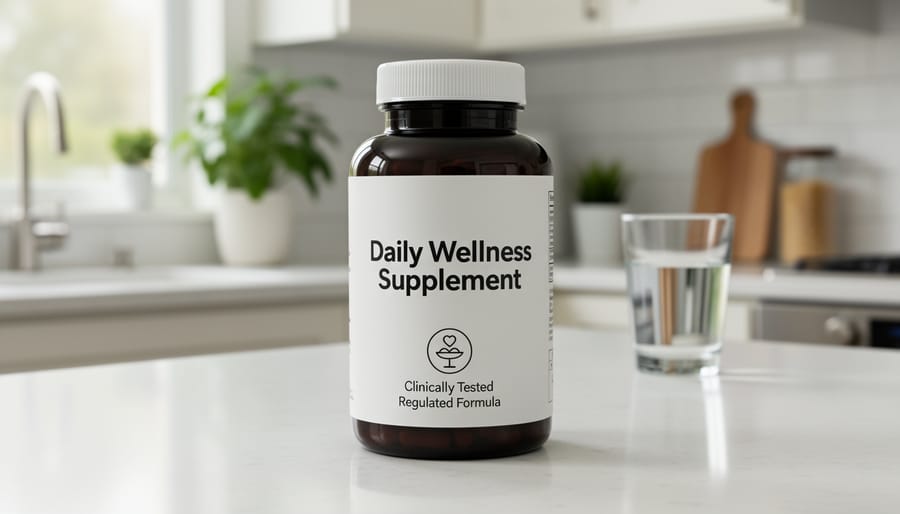
If you’re drawn to research peptides because of specific wellness goals, whether that’s recovery, cognitive function, sleep, or inflammation, there are regulated, evidence-backed alternatives that don’t require navigating legal gray zones or sacrificing safety. The good news is that Canada offers a range of Health Canada-approved options that have undergone actual clinical testing and quality control.
| Product Type | Legal Status in Canada | Safety Oversight | Evidence Base |
|---|---|---|---|
| Research Peptides | Gray area; not approved for human use | None for consumer products | Limited to lab studies, not clinical trials |
| Health Canada-Approved Therapeutics | Fully legal | Rigorous pre-market and post-market monitoring | Clinical trials required for approval |
| Regulated Cannabis Products | Fully legal | Mandatory testing, labeling, and tracking | Growing body of clinical and observational research |
| Natural Health Products (Licensed) | Fully legal | NPN or DIN-HM required; GMP standards | Varies; traditional use or clinical evidence needed |
Cannabis products, particularly regulated hemp CBD offer a science-supported pathway for many wellness concerns people chase with unregulated peptides. CBD has demonstrated potential for managing inflammation, improving sleep quality, and supporting recovery, all within a legal framework with transparent lab testing. If you’re exploring CBD for anxiety or stress management, you’re working with a substance that has actual clinical research behind it and predictable dosing.
Beyond cannabis, Licensed Natural Health Products with a Natural Product Number (NPN) or Drug Identification Number, Homeopathic Medicine (DIN-HM) represent another legitimate category. These include omega-3 fatty acids for cardiovascular and cognitive health, magnesium for sleep and muscle recovery, and adaptogenic herbs like ashwagandha that have centuries of traditional use alongside modern research. The difference? Manufacturers must meet Good Manufacturing Practice standards and demonstrate either safety evidence or a history of traditional use.
For targeted therapeutic needs, consult a healthcare provider about prescription options or compounded formulas from licensed pharmacies. These might include bioidentical hormones, physician-supervised peptide therapies through clinical trials, or established medications that address your specific concern. The point isn’t that natural approaches don’t work, it’s that effective ones don’t require you to gamble on unregulated products.
Start by identifying your actual wellness goal, then explore top CBD brands or consult professionals who can recommend evidence-backed solutions. You’ll get better results with products that have consistent quality and transparent sourcing than chasing the latest unregulated trend.
Questions to Ask Before Purchasing Any Wellness Product
Before spending money on any wellness product, whether it’s research peptides, supplements, or alternative therapies, ask yourself these fundamental questions to protect your health and wallet.
Is this product approved for human use? Check if Health Canada has evaluated and approved it. Regulated products undergo rigorous testing for safety and efficacy. If the label says “for research purposes only” or “not for human consumption,” that’s your answer: it isn’t meant for you.
Who manufactured this product, and can you verify their credentials? Legitimate companies provide transparent information about their facilities, quality control processes, and third-party testing. If the seller operates anonymously or refuses to share lab results, walk away. The same due diligence you’d apply to cannabis products, understanding sources, testing standards, and what to know about regulation, applies here.
What evidence supports the health claims? Real clinical studies published in peer-reviewed journals differ significantly from testimonials, influencer endorsements, or vague references to “research.” Ask for specific study citations. If the company can’t provide them, their claims are marketing, not medicine.
Does your doctor know you’re considering this? Healthcare professionals can identify potential interactions with medications, underlying conditions that make certain products dangerous, or red flags in product formulations. Skipping this conversation puts you at unnecessary risk.
What happens if something goes wrong? Regulated products come with recourse through Health Canada’s adverse reaction reporting system and consumer protection laws. Unregulated research chemicals offer no such safety net. Consider whether you’re willing to accept that risk.
Are there legal, proven alternatives? Often, safer options exist for the same wellness goals. Before venturing into gray-market products, explore what’s available through legitimate channels, whether that’s Health Canada-approved therapies, quality supplements with transparent labeling, or evidence-based cannabis products.
These questions create a filter that protects you from predatory marketing while helping you identify genuinely beneficial wellness solutions.
The world of alternative wellness offers exciting possibilities, but it also demands critical thinking and careful evaluation. Throughout this exploration of research peptides, one theme remains constant: your health deserves products that meet established safety standards and regulatory oversight.
Research peptides marketed to consumers represent a clear case where the promise doesn’t match the reality. These compounds weren’t designed for personal use, lack the quality controls you’d expect from legitimate wellness products, and exist in a regulatory gray zone that puts all the risk on you. That’s not a foundation for informed wellness choices.
The good news? You don’t need to gamble with unregulated products to pursue your health goals. Canada’s regulatory framework exists precisely to protect consumers while allowing access to effective, tested therapies. Whether you’re exploring cannabis products, considering supplements, or investigating other wellness approaches, choosing regulated options means choosing accountability, transparency, and safety.
This same critical thinking applies across the entire wellness landscape. The questions you ask about research peptides, Is this legal? Who tested it? What evidence supports the claims?, are exactly the questions that should guide every wellness decision you make.
Education remains your most powerful tool. Understanding what products actually contain, how they’re regulated, and what risks they carry transforms you from a passive consumer into an active participant in your own health journey. That knowledge protects you from misleading marketing while opening doors to legitimate, effective options.
Your wellness matters too much to leave it to chance or clever marketing. Choose products with real oversight, real testing, and real accountability. Your future self will thank you.