
Hemp-derived CBD in Canada refers to cannabidiol products extracted from industrial hemp plants containing 0.3% THC or less, and these products are federally legal for purchase and use across the country when they meet Health Canada’s regulatory standards. Unlike marijuana-derived cannabis products sold through provincial retailers, hemp-derived CBD offers a non-intoxicating option available through licensed processors, online retailers like shop Exhale Wellness and select health stores without requiring a medical prescription.
The distinction matters because hemp and marijuana are the same plant species but are classified differently under Canadian law based on their THC content. Hemp’s minimal THC means you won’t experience the psychoactive effects associated with traditional cannabis, making it appealing for those seeking potential therapeutic benefits without impairment. Since the Cannabis Act came into force in 2018, hemp-derived CBD has occupied a unique regulatory space that bridges agricultural hemp production and cannabis commerce.
Understanding what sets hemp-derived products apart helps you make informed choices about quality, potency, and legality. The Canadian market has evolved considerably, with third-party testing, clear labeling requirements, and manufacturing standards becoming industry expectations rather than exceptions. Whether you’re exploring CBD for the first time or reassessing your current product choices, knowing how hemp-derived options fit within Canada’s cannabis framework gives you the foundation to navigate this space confidently and legally.
What Makes Hemp-Derived CBD Different from Other Cannabis Products
Hemp and marijuana come from the same plant species, Cannabis sativa, but they’re bred for dramatically different purposes, and those differences shape everything from how they’re grown to how they’re regulated. The most critical distinction is THC content. Hemp is defined in Canada as cannabis containing 0.3% THC or less by dry weight, while marijuana refers to plants exceeding that threshold. This 0.3% THC threshold isn’t arbitrary, it’s the legal dividing line that determines how a plant is classified, which regulations apply, and what you can expect from its effects.
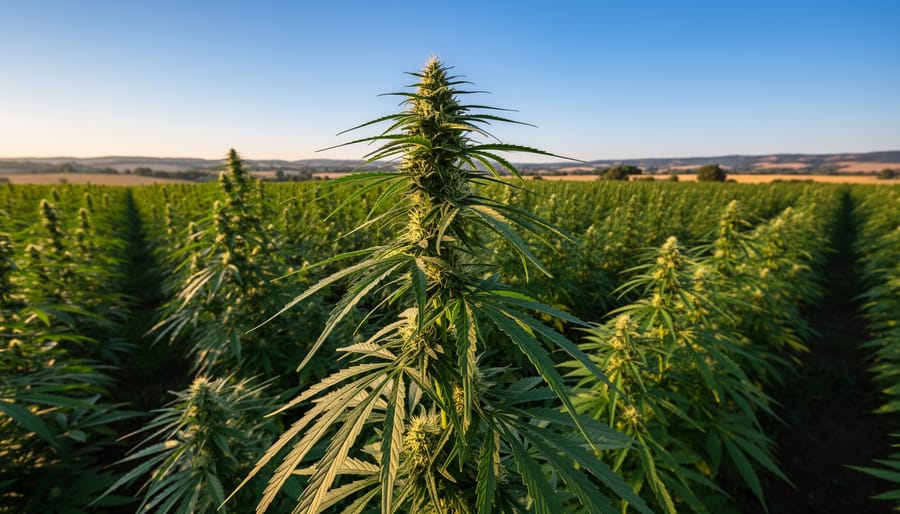
Hemp plants are cultivated specifically to maximize CBD and other beneficial cannabinoids while keeping THC levels minimal. These plants tend to be tall and fibrous, grown outdoors in large fields, because hemp has industrial applications beyond wellness products: textiles, paper, building materials, and food. Marijuana plants, by contrast, are typically shorter, bushier, and grown in controlled environments to optimize THC production for psychoactive effects. When you use a hemp-derived CBD product, you’re getting compounds from a plant that was never intended to get you high.
The extraction process matters, too. Producers use methods like CO2 extraction or ethanol extraction to isolate cannabinoids from hemp biomass. What results depends on how the extract is processed after that initial pull:
- CBD isolate
- Pure CBD with all other cannabinoids, terpenes, and plant compounds removed. Contains 99% CBD and no THC.
- Full-spectrum CBD
- Contains CBD plus other cannabinoids (including trace THC below 0.3%), terpenes, and plant compounds. Thought to provide an “entourage effect” where compounds work synergistically.
- Broad-spectrum CBD
- Similar to full-spectrum but with THC completely removed. Offers multiple cannabinoids and terpenes without any THC presence.
- THC threshold
- The legal limit of 0.3% THC by dry weight that distinguishes hemp from marijuana in Canadian regulation. Products must stay below this to be classified as hemp-derived.
For Canadian consumers, these distinctions have real implications. Hemp-derived products won’t produce a high because the THC content is negligible. You can access these products through legal channels without the same restrictions that apply to higher-THC cannabis. And because hemp is easier to grow at scale, these products are often more affordable than marijuana-derived alternatives. Understanding what you’re buying, and where it comes from, helps you set appropriate expectations and choose products that align with your needs.
The Legal Landscape for Hemp-Derived CBD in Canada
Federal Regulations and the Cannabis Act
Canada’s Cannabis Act, which came into force in October 2018, brought hemp-derived CBD products under the same regulatory umbrella as other cannabis products. This means Health Canada treats hemp-derived CBD as cannabis, regardless of its low THC content.
Under this framework, any company wanting to produce or sell hemp-derived CBD must hold a federal license from Health Canada. The Act eliminated the previous distinction between industrial hemp and cannabis, consolidating regulation under one system. This approach differs markedly from countries like the United States, where hemp-derived CBD occupies a legal grey zone separate from marijuana regulation.
The regulations set strict quality controls. Licensed producers must follow Good Production Practices, conduct mandatory testing for potency and contaminants, and meet specific packaging and labelling requirements. Every hemp-derived CBD product sold legally in Canada must display a standardized cannabis symbol, THC and CBD content information, and health warnings.
Health Canada also maintains oversight through its Cannabis Tracking System, which monitors products from cultivation through to retail sale. This tracking requirement means legitimate hemp-derived CBD products have documented origins and testing histories.
The regulatory framework treats CBD as a controlled substance even when derived from hemp plants containing less than 0.3% THC. While this creates more bureaucratic requirements than some consumers might expect, it also provides quality assurances and safety standards that unregulated markets cannot guarantee.
Where You Can Buy Hemp-Derived CBD Products
In Canada, hemp-derived CBD products must be purchased through licensed channels established under the Cannabis Act, you won’t find legitimate CBD products at health food stores, pharmacies, or general retailers.
Your primary options are provincial and territorial cannabis retailers, both physical storefronts and their authorized online platforms. Each province operates differently: some run government-operated stores (like the BCLDB in British Columbia or AGLC in Alberta), while others license private retailers. Check your provincial cannabis authority’s website for a complete list of legal options in your area.
Federally licensed producers can also sell directly to consumers through their own online platforms, provided they hold the necessary retail authorization. These direct-to-consumer sites often offer detailed product information and lab testing results.
When evaluating any supplier, legitimate operators will clearly display their license number (issued by Health Canada or the provincial authority), provide transparent lab testing data, and list CBD and THC content accurately. The website should have a proper age verification process, not just a checkbox, but ID verification at delivery for online orders.
Avoid any seller claiming to ship CBD products internationally into Canada, offering products with health claims that sound too good to be true, or operating without visible licensing credentials. If a deal seems unusually cheap or a website looks unprofessional, that’s your signal to shop elsewhere.
Common Hemp-Derived CBD Products Available in Canada
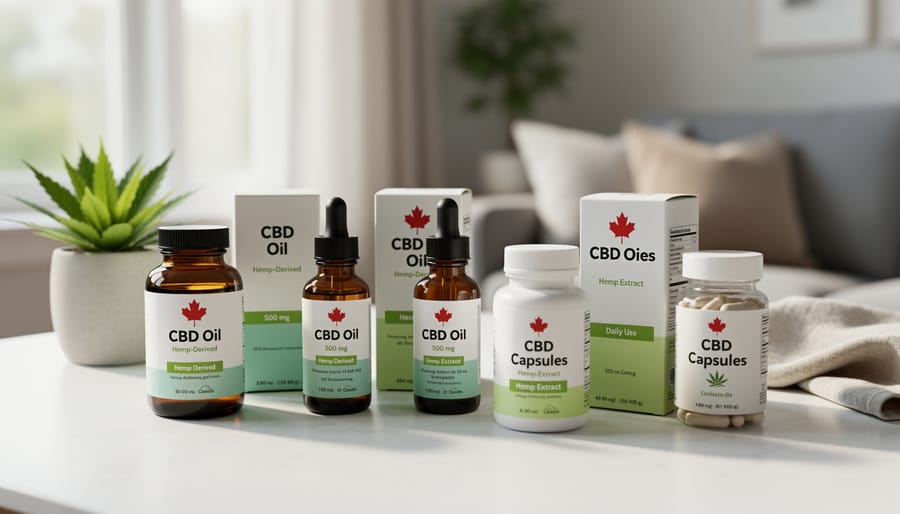
Walk into any licensed cannabis retailer in Canada, and you’ll find hemp-derived CBD products in surprisingly diverse formats. Each delivery method offers different onset times, durations, and practical advantages depending on your needs and lifestyle.
CBD oils and tinctures remain the most popular choice for good reason. Taken sublingually (under the tongue), they typically kick in within 15-30 minutes and offer flexible dosing with dropper precision. You’ll find them in various concentrations, from beginner-friendly 300mg bottles to higher-potency 1500mg options. The oil base varies too, some use MCT oil for better absorption, while others opt for hemp seed or olive oil.
Capsules and softgels appeal to those who want convenience and consistent dosing without the earthy taste of oils. Each capsule contains a pre-measured amount of CBD, making them ideal for maintaining a daily routine. The trade-off is slower onset, usually 45-90 minutes, since they must pass through your digestive system first.
Topicals including creams, balms, and lotions are designed for localized application rather than systemic effects. People use them for targeted muscle soreness or skin concerns. Since they don’t enter the bloodstream, onset and duration depend on absorption through skin layers. Some formulations combine CBD with other ingredients like arnica or menthol for enhanced effect.
| Product Type | Onset Time | Duration | Best For |
|---|---|---|---|
| Oils/Tinctures | 15-30 minutes | 4-6 hours | Flexible dosing, daily use |
| Capsules | 45-90 minutes | 6-8 hours | Consistent routine, no taste |
| Topicals | Minutes (localized) | 2-4 hours | Targeted application |
| Edibles | 60-120 minutes | 6-8 hours | Long-lasting effects |
CBD edibles like gummies have gained traction for their approachability and precise dosing. Each gummy contains a set amount of CBD, typically 5-10mg. They take longer to work, often one to two hours, but effects last longer than oils.
CBD-infused beverages represent a newer category, with options ranging from sparkling waters to coffee and tea. They offer a familiar consumption method, though absorption rates vary based on formulation and whether you consume them with food.
You’ll also encounter CBD vape juice at some retailers, which provides the fastest onset, within minutes, but requires compatible vaping equipment and may not suit everyone’s preferences or health considerations.
The right format depends on your priorities. Need fast relief? Oils or vaping offer quicker onset. Want something discreet for work? Capsules fit easily into any routine. Prefer avoiding ingestion altogether? Topicals provide a different approach entirely. Most people find their ideal format through experimentation, starting with one type before exploring others.
Benefits and What the Research Actually Shows
The research on CBD is still evolving, and it’s important to approach health claims with realistic expectations. While many users report positive experiences, the scientific evidence varies significantly depending on the condition being addressed.
Some of the strongest research support exists for certain forms of epilepsy. Health Canada has approved a CBD-based medication (Epidiolex) for specific seizure disorders, demonstrating CBD’s potential in this narrow therapeutic area. This approval required rigorous clinical trials, a standard most other purported benefits haven’t yet met.
For pain and inflammation, the evidence is more mixed but cautiously optimistic. Laboratory studies and animal research suggest CBD has anti-inflammatory properties, and some human trials show modest benefits for chronic pain conditions. However, many studies combine CBD with THC, making it difficult to isolate CBD’s specific contribution. Real-world users often report relief, but individual responses vary considerably.
Anxiety represents one of the most common reasons Canadians use CBD for anxiety management. Preliminary research indicates CBD may influence serotonin receptors and help regulate stress responses, with some small studies showing reduced anxiety in specific situations like public speaking. Yet large-scale, long-term clinical trials remain limited, and optimal dosing isn’t well established.
Sleep is another area where anecdotal support outpaces clinical evidence. Some users find CBD helps them relax before bed, potentially by addressing underlying anxiety rather than acting as a direct sedative. Research is sparse and results inconsistent, suggesting CBD’s sleep benefits may be indirect or highly individual.
For conditions like arthritis, migraines, or skin issues, the research is preliminary at best. You’ll find plenty of testimonials and some early-stage studies, but nothing conclusive. CBD’s safety profile makes experimentation relatively low-risk, but this doesn’t equate to proven effectiveness.
What’s genuinely uncertain? Whether CBD works preventatively, its long-term effects with sustained use, ideal dosing across different conditions, and why some people respond dramatically while others notice little effect. Product variability complicates research further, as not all CBD formulations are equivalent.
The responsible takeaway is this: CBD shows legitimate promise in specific areas, particularly around anxiety and inflammation, but it’s not a cure-all. Approach it as one potential tool in a broader wellness strategy, maintain realistic expectations, and pay attention to your own response rather than relying solely on marketing claims or others’ experiences.
How to Choose Quality Hemp-Derived CBD Products
Choosing a quality hemp-derived CBD product in Canada starts with verifying that you’re buying from a licensed producer. Look for a clear indication on the packaging that the product comes from a federally licensed cannabis producer, this ensures the manufacturer meets Health Canada’s standards for production, handling, and testing. Licensed producers are required to follow strict quality control protocols that simply don’t apply to unregulated sources.
Third-party lab testing separates legitimate products from questionable ones. Reputable manufacturers provide Certificates of Analysis (COAs) that confirm what’s actually in the bottle matches what’s on the label. A COA should list cannabinoid concentrations, verify THC levels stay within legal limits, and screen for contaminants like pesticides, heavy metals, mold, and residual solvents. If a company makes accessing their COAs difficult or doesn’t offer them at all, that’s your signal to shop elsewhere. Many of the top CBD brands post their test results directly on product pages or make them available through QR codes on packaging.
When examining labels, prioritize these quality indicators:
- Licensed producer stamp or Health Canada license number
- Batch or lot number with corresponding test results
- Clear CBD concentration per dose and per container
- Extraction method (CO2 extraction is generally preferred)
- Full ingredient list with no vague terms like “hemp extract”
Red flags include products making specific health claims (illegal in Canada), suspiciously low prices that suggest diluted or mislabeled contents, missing contact information for the producer, and vague language about sourcing or testing. Be particularly wary of products that list CBD amounts without specifying whether that’s per serving or per container, as this confusion often masks lower potency than you’re paying for.
The carrier oil matters too. Quality CBD oils typically use MCT oil, hemp seed oil, or olive oil as a base. Check expiration dates and storage recommendations, and remember that legitimate producers stand behind their products with responsive customer service and transparent business practices.
Getting Started: Dosing and Responsible Use
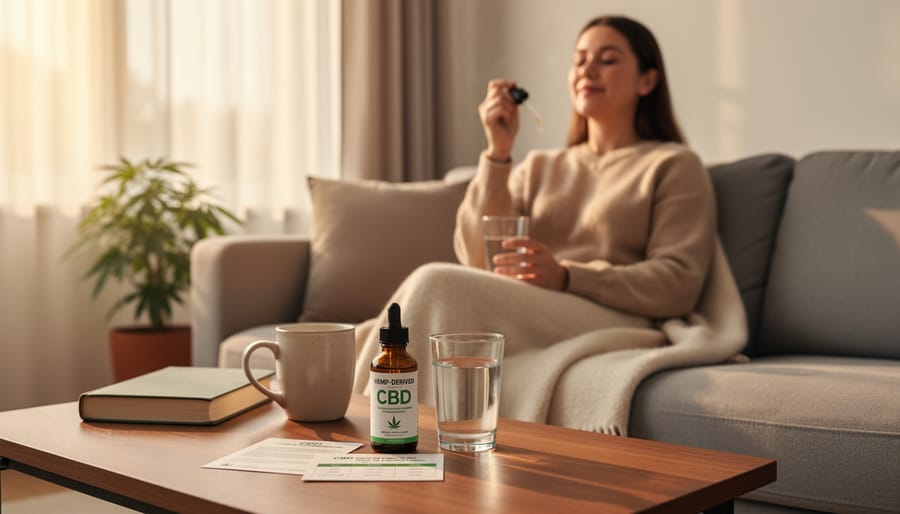
Starting with hemp-derived CBD doesn’t require complicated calculations or strict protocols. Most experienced users recommend beginning with 5-10mg of CBD per day, then waiting at least three days before adjusting your dose. This “start low and go slow” approach lets you observe how your body responds without overwhelming your system.
Keep a simple log during your first few weeks. Note the time you take CBD, the amount, the product format, and any effects you notice over the next few hours. Track whether you feel more relaxed, sleep better, or experience changes in discomfort levels. This record becomes invaluable when determining whether to maintain, increase, or decrease your dose. Many people find their optimal dose falls between 15-40mg daily, though individual needs vary significantly.
Timing matters more than many newcomers realize. If you’re using CBD for sleep support, take it 30-60 minutes before bed. For daytime use focused on managing stress or discomfort, splitting your daily dose into morning and evening portions often works better than taking it all at once.
CBD can interact with certain medications, particularly those metabolized by liver enzymes in the CYP450 family. If you take prescription medications for blood pressure, blood thinners, antidepressants, or seizure disorders, talk to your healthcare provider before starting CBD. The same applies if you’re pregnant, nursing, or managing serious health conditions.
Don’t expect immediate dramatic changes. Unlike THC, CBD works subtly for most people. Some notice effects within hours, while others need consistent use over several weeks to observe benefits. If you’ve used CBD daily for a month without any positive changes, it may not be the right approach for your particular needs.
Watch for rare but possible side effects like drowsiness, dry mouth, or digestive changes. These typically resolve when you adjust your dose or try a different product format.
Common Questions About Hemp-Derived CBD
Will hemp-derived CBD show up on a drug test?
Standard workplace drug tests screen for THC, not CBD. However, some full-spectrum hemp products contain trace amounts of THC (under 0.3%), which could theoretically accumulate with heavy use and trigger a positive result, though this is rare. If you’re subject to drug testing, consider CBD isolate products with zero THC.
Can I travel with hemp-derived CBD in Canada?
Yes, you can travel domestically within Canada with legally purchased hemp-derived CBD products. Keep the original packaging and receipts. For international travel, regulations vary widely by country, many jurisdictions still prohibit CBD entirely, so research your destination’s laws before packing.
Why does pricing vary so much between products?
Price differences reflect factors like extraction method (CO2 extraction costs more but produces cleaner products), CBD concentration, whether it’s full-spectrum or isolate, third-party testing, and brand positioning. Some of the biggest cannabis brands charge premium prices for established reputation and consistent quality.
Does hemp-derived CBD expire?
Yes. CBD oils typically last 12-24 months when stored properly in a cool, dark place with the cap tightly sealed. Expired CBD won’t harm you but loses potency over time. Check expiry dates on packaging and watch for changes in colour, smell, or consistency as signs of degradation.
Can I give hemp-derived CBD to my pet?
While some pet owners use CBD products for animals, veterinary-specific formulations are recommended over human products. Dosing for pets differs significantly from humans, and some human CBD products contain ingredients that aren’t safe for animals. Consult your veterinarian before giving CBD to pets.
What side effects should I watch for?
Most people tolerate hemp-derived CBD well, but some experience dry mouth, drowsiness, changes in appetite, or mild digestive upset. These effects are typically dose-dependent and resolve when you reduce intake. CBD can interact with certain medications, so discuss use with your doctor if you take prescription drugs.
Beyond these common questions, many newcomers wonder about the connection between CBD and traditional cannabis consumption methods. While hemp-derived CBD doesn’t require the same delivery systems as higher-THC products, you won’t need to research best bong brands for CBD oil, understanding the broader cannabis landscape helps contextualize where hemp-derived products fit.
Another frequent concern involves product consistency. Unlike pharmaceuticals, natural variations in hemp crops mean CBD content can fluctuate slightly between batches, even from reputable producers. This is normal and why third-party testing matters, it verifies each batch meets labeled claims rather than relying on one-time testing of a formula.
People also ask whether they need a prescription. In Canada, you don’t need a doctor’s authorization to purchase hemp-derived CBD from legal retailers, though healthcare provider guidance remains valuable for determining if CBD suits your specific situation and won’t interfere with existing treatments.
Hemp-derived CBD has opened doors for Canadians who might have felt hesitant about exploring cannabis products. With its low THC content and federally regulated status, it offers a gentler introduction to cannabinoids without the intoxicating effects many people want to avoid.
What matters most is approaching CBD with realistic expectations and solid information. This isn’t a cure-all, but it’s a legitimate wellness option worth considering if you’ve done your homework. Understanding the difference between hemp and marijuana sources, recognizing quality indicators, and starting with conservative doses puts you in control of your experience.
Buying from legal, licensed retailers isn’t just about following rules, it’s about protecting yourself. Licensed products undergo testing and quality controls that unregulated options simply don’t. Yes, legal sources might cost more, but you’re paying for safety assurances and accountability that matter when you’re putting something in your body.
The cannabis landscape keeps evolving, and hemp-derived CBD represents just one piece of a much larger picture. As you continue learning about different cannabinoids, delivery methods, and how your own body responds, you’ll develop the knowledge to make choices that genuinely serve your wellness goals.
Cannabis education is an ongoing journey, not a destination. Stay curious, ask questions, and remember that what works for someone else might not work for you. That’s completely normal, and it’s why personal experimentation within safe parameters is so valuable.